
Great Home Automation
Products for the Disabled: Empowering Independence and Accessibility
Home automation has revolutionized the way we live, providing convenience, comfort, and efficiency. For individuals with disabilities, these advancements have an even more profound impact, offering a higher level of independence and accessibility within their own homes. With a plethora of home automation products available in the market, it is important to understand which ones are the best suited for those with disabilities. Here, we will explore some top-grade home automation products designed specifically to empower individuals with disabilities.
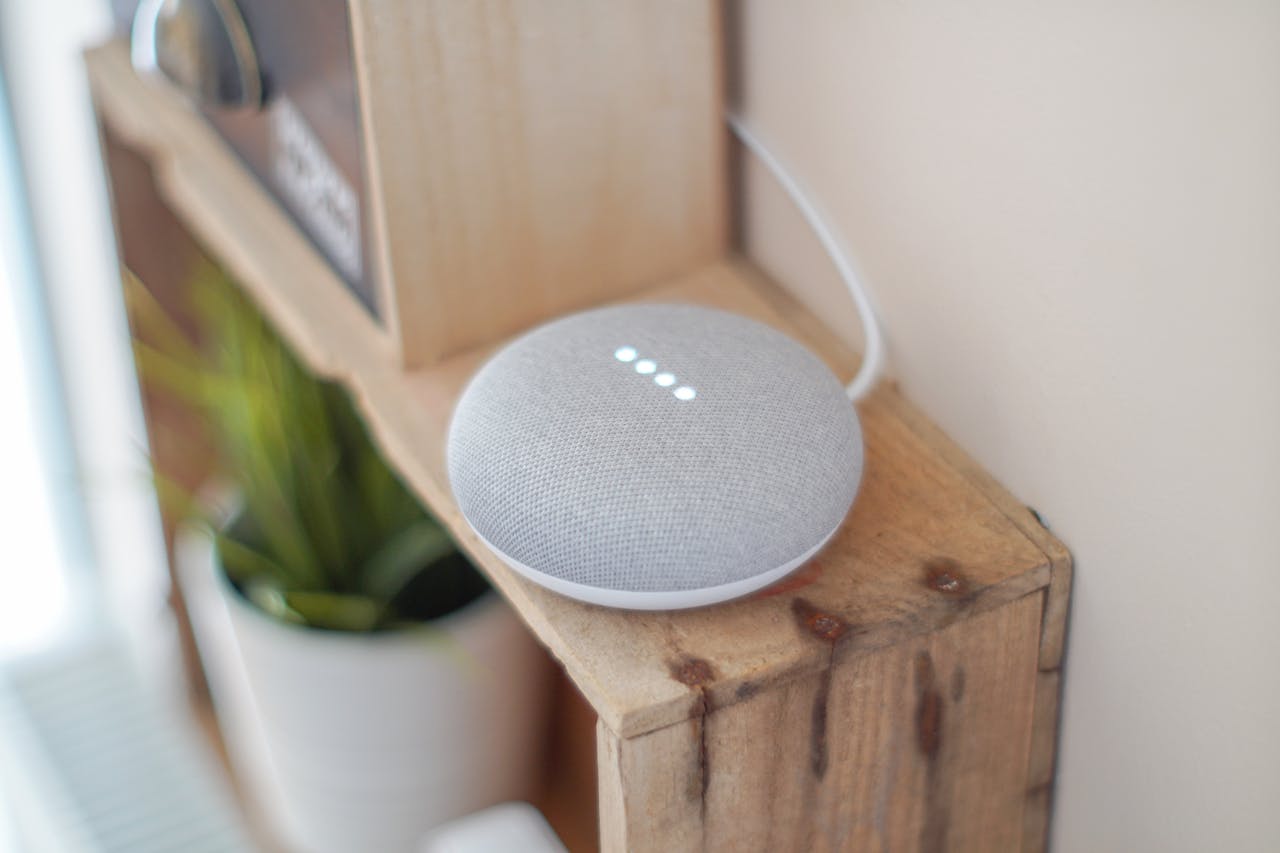
- Voice-Activated Assistants: Voice-activated assistants like Amazon Echo with Alexa or Google Home are game-changers for individuals with disabilities. These devices allow users to control various aspects of their home environment using voice commands, eliminating the need for physical interaction. From adjusting lights and temperature to controlling appliances and entertainment systems, voice-activated assistants provide a seamless and hands-free experience.
- Smart Lighting Systems: Lighting plays a crucial role in creating a comfortable and accessible home environment (insert Tips for finding accessible homebuilders). Smart lighting systems, such as Philips Hue or Lutron, offer advanced features that benefit individuals with disabilities (insert Biden and student debt). These systems can be controlled through voice commands, mobile apps, or motion sensors, allowing users to adjust lighting levels, colors, and schedules according to their specific needs. Additionally, customizable lighting presets and integration with other smart devices enhance accessibility and convenience.
- Motorized Window Treatments: Opening and closing curtains or blinds can be challenging for individuals with mobility impairments. Motorized window treatments, such as those offered by Somfy or Lutron, provide a practical solution. These automated systems allow users to control the opening and closing of curtains or blinds through remote controls or mobile apps. With the ability to schedule and automate these functions, individuals with disabilities can effortlessly manage natural lighting and privacy in their homes.
- Smart Door Locks: Traditional door locks can be difficult to operate for people with dexterity issues. Smart door locks, such as August or Schlage Connect, offer keyless entry and remote access capabilities. Users can unlock doors using their smartphones, keypads, or voice commands, eliminating the need for physical keys. These locks also provide options for temporary access codes, allowing caregivers or family members to enter the home without the need for physical keys.
- Home Security Systems: Safety and security are paramount for individuals with disabilities. Smart home security systems, such as Ring or ADT, offer inclusive features that provide peace of mind. These systems include motion sensors, door/window sensors, and video surveillance, which can be monitored and controlled
Amazon Link:
Top tablets and computers